Red Chicken Pozole (Pozole Rojo de Pollo)
March 11, 2021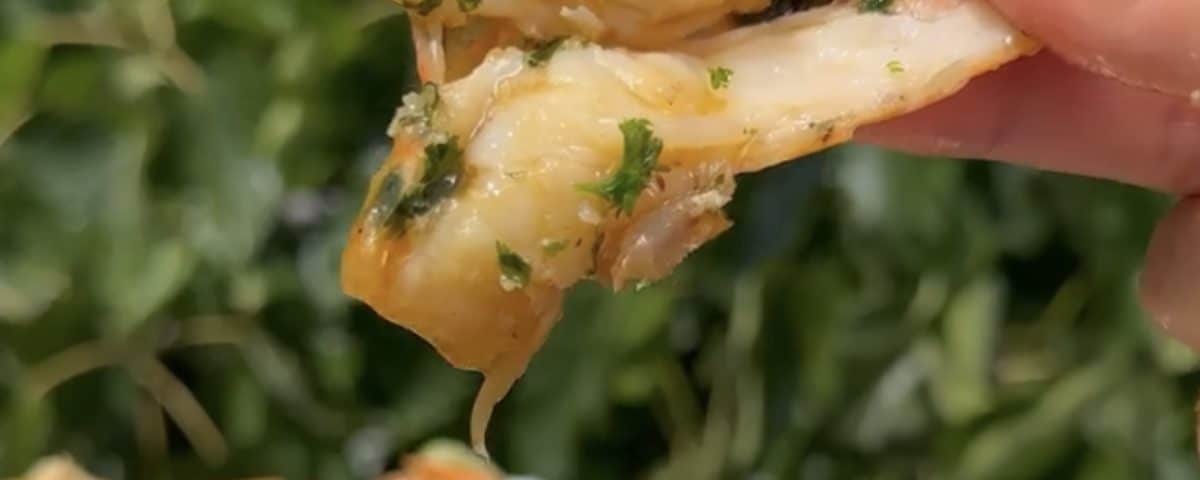
Camarones al Mojo de Ajo (Mexican Garlic Shrimp)
These Camarones al Mojo de Ajo are bold, garlicky, buttery, and finished with just the right amount of heat from chile de árbol. Large shell-on shrimp are coated with a fresh garlic, peppercorn, salt, and olive oil paste, allowed to marinate briefly, and then cooked in batches with butter and more of that flavorful garlic mixture. A squeeze of fresh lime and chopped parsley brighten the rich sauce right before serving.
This is the kind of Mexican seafood recipe that looks impressive on the table but cooks quickly once the shrimp and garlic paste are ready. Serve the shrimp hot with rice, warm tortillas, or crusty bolillos so none of the chile-and-garlic-infused sauce goes to waste
What are Camarones al Mojo de Ajo? Camarones al mojo de ajo are Mexican garlic shrimp cooked in a generous mixture of garlic and oil. The exact preparation changes from one cook and region to another. Some versions use olive oil alone, while others include butter, onion, lime, black pepper, or chile. This Homemade Always version is especially garlic-forward and uses a molcajete-style paste, shell-on shrimp, butter, olive oil, seeded chile de árbol, fresh lime, and parsley.
Planning a full Mexican seafood dinner?
Serve these shrimp with our Mexican Red Rice, Homemade Bolillos, and a cold pitcher of Cucumber Lime Agua Fresca.
Jump to
- Jump to Recipe
- Quick Recipe Snapshot
- History and Culinary Context
- Choosing and Preparing the Shrimp
- Why This Recipe Keeps the Shells On
- Storage and Make Ahead
- FAQs
Quick Recipe Snapshot
- Difficulty: Easy to moderate
- Prep Time: About 15 minutes
- Marinating Time: 20 to 30 minutes
- Cook Time: About 10 to 15 minutes, depending on skillet size and the number of batches
- Total Time: About 45 to 60 minutes
- Yield: 6 servings
- Method: Skillet sauté
- Flavor: Deeply garlicky, buttery, citrusy, and spicy
Timing note: The active cooking is fast, but the shrimp need a short refrigerated marinade and should be cooked in uncrowded batches. Use the shrimp’s doneness rather than the clock alone to decide when each batch is ready.
A Quick History
The exact inventor and first date of Camarones al Mojo de Ajo are not clearly documented. It is more accurate to understand al mojo de ajo as a widely used Mexican cooking style rather than a recipe that belongs to only one town or one fixed formula.
In Mexican cooking, foods described as al mojo de ajo are cooked or fried with abundant garlic and oil so the fish, shrimp, or other ingredient becomes thoroughly coated in the garlic mixture. The style is especially associated with seafood restaurants and coastal cooking. Lime juice, black pepper, onion, butter, and chile may be added depending on the cook and region.
Camarones al mojo de ajo are found with small variations throughout Mexico. Coastal restaurants and casual seafood palapas often serve the shrimp with their shells still attached and with enough garlic-flavored oil for diners to enjoy with warm tortillas or bread. Keeping the shells on is therefore not unusual or incorrect; it is one established way of preparing and serving the dish.
Garlic was brought to Mexico during the colonial period and eventually became deeply integrated into Mexican cooking. Today it appears in everything from salsas, rice, adobos, soups, and moles to fish and shellfish preparations. Camarones al mojo de ajo show how a simple combination of garlic and fat became part of Mexico’s broad and varied seafood tradition.
Like many traditional dishes, there is no single formula that every cook must follow. This Homemade Always version stands out for its molcajete-ground garlic paste, whole peppercorns, shell-on shrimp, butter and olive oil, seeded chile de árbol, lime, and fresh parsley.
Why You Will Love This Recipe
- Serious garlic flavor. Sixteen fresh garlic cloves create a bold mojo that coats every shrimp.
- Rich without tasting flat. Butter adds richness, while olive oil, lime, parsley, black pepper, and chile keep the sauce lively.
- A shell-on coastal-style presentation. The shells contribute flavor to the cooking fat and make the platter feel like a meal from a Mexican seafood restaurant.
- Adjustable heat. Six seeded chiles de árbol give the recipe a noticeable kick, but the amount can be reduced for a milder batch.
- Fast cooking. Once the shrimp are prepared and marinated, each batch needs only a few minutes in the skillet.
- Perfect for sharing. Set the platter in the center of the table with rice, tortillas, bread, lime wedges, and plenty of napkins.
- Flexible enough for an appetizer or main dish. Serve smaller portions as part of a seafood spread or larger portions with substantial sides.
How to Choose and Prepare the Shrimp
Use raw large or extra-large shrimp for this recipe. Fresh and frozen shrimp can both work well, but avoid pre-cooked shrimp because they will become rubbery when heated again in the garlic sauce.
- When buying fresh shrimp: Look for firm flesh with a clear or pearly appearance and a mild, clean smell. Avoid shrimp with a strong fishy, sour, rancid, or ammonia-like odor.
- When buying frozen shrimp: Choose a sealed, undamaged package. Heavy frost, large ice crystals, or shrimp that are no longer fully frozen may indicate poor storage or thawing and refreezing.
- To thaw safely: Place frozen shrimp in the refrigerator overnight. For faster thawing, seal them in a leakproof bag and submerge the bag in cold water, then cook immediately.
- Choose shell-on shrimp when possible: The recipe is designed around the flavor and presentation of the shells.
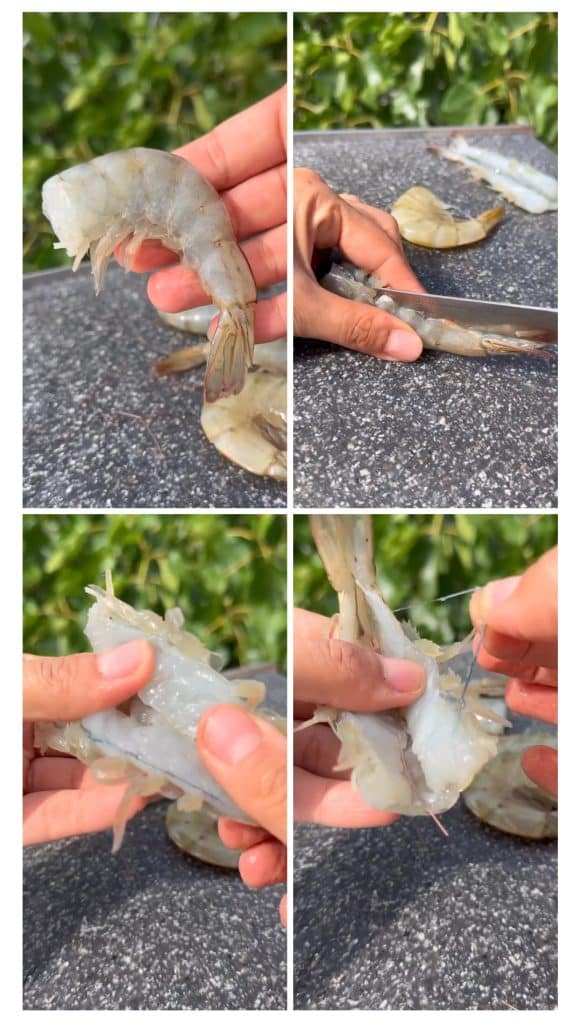
- Devein larger shrimp: The dark line along the back is the digestive tract. It is generally safe after thorough cooking, but removing it improves appearance and can eliminate grit.
- Pat the shrimp completely dry: Excess surface water can make the hot butter and oil splatter and can prevent the shrimp from sautéing properly.
Food-safety reminder: Keep raw shrimp refrigerated while you prepare the garlic paste, marinate the shrimp in the refrigerator rather than on the counter, prevent raw seafood juices from touching ready-to-eat foods, and cook the shrimp to 145°F or until the flesh is firm, pearly, and opaque.
Why This Recipe Keeps the Shells On
Leaving the shells on is a deliberate part of this version. Shell-on shrimp are common in Mexican seafood restaurants, especially when the shrimp are cooked in a strongly flavored oil or sauce. As the shrimp cook, the shells contribute additional seafood flavor to the butter-and-garlic mixture and help create the hands-on, peel-at-the-table experience associated with many coastal shrimp dishes.
The shells are not mandatory for every mojo de ajo recipe. Peeled shrimp are easier to eat and can still be delicious, but the result will be a little different. If you use peeled shrimp, watch them closely because they may cook slightly faster and have less protection from the heat.
To devein shrimp without removing the shell, use clean kitchen shears or a small paring knife to make a shallow cut along the back through the shell. Lift out the dark tract with the tip of the knife, then pat the shrimp dry. A quick, controlled rinse can be used if needed after deveining, but rinsing does not make raw shrimp safe. Avoid splashing, wash your hands, and clean the sink, knife, cutting board, and nearby surfaces after handling raw seafood.
The Molcajete Garlic Paste
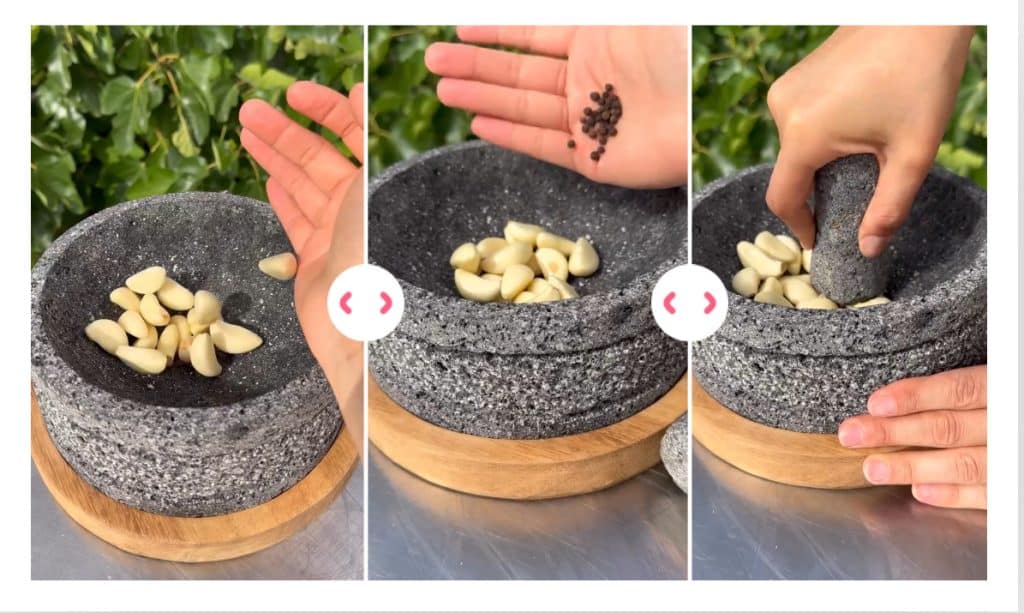
The garlic paste is what separates this recipe from a basic skillet of shrimp with a little minced garlic. Grinding the whole peppercorns, salt, and garlic together crushes the ingredients into a cohesive, aromatic paste. Olive oil loosens the mixture so it can coat the shell-on shrimp and spread throughout the skillet.
A molcajete gives the paste a rustic texture and lets you control how smooth or coarse it becomes. Begin with the peppercorns and salt, which help create friction, then work in the garlic. Add the oil after the garlic has broken down. The paste does not need to be perfectly smooth; a slightly coarse texture leaves small pieces of garlic throughout the finished mojo.
No molcajete is required. A mortar and pestle or small food processor will work. When using a processor, pulse instead of running it continuously so the garlic does not become watery or overly processed.
Ingredient Spotlight
| Ingredient | What to Know |
|---|---|
| 20 to 25 large shell-on shrimp | Use raw shrimp and devein them while keeping the shells attached. Large or extra-large shrimp are easiest to slit, marinate, cook in batches, and peel at the table. |
| 16 fresh garlic cloves | This is intentionally a garlic-forward recipe. Fresh cloves provide the body and flavor of the mojo; jarred pre-minced garlic will not produce the same paste or aroma. |
| 1/2 teaspoon whole black peppercorns | Grinding whole peppercorns with salt in the molcajete gives the paste fresh pepper flavor and helps break down the garlic. |
| Salt, to taste | Salt seasons the shrimp and also adds friction while grinding the garlic paste. Add conservatively at first because the sauce becomes concentrated as it cooks. |
| 1/4 cup olive oil | The oil loosens the garlic paste, carries its flavor through the sauce, and combines with the butter to coat the shrimp. |
| 6 tablespoons butter | Butter gives Belinda’s version a rich finish. Keep the heat controlled because the milk solids and garlic can scorch if the pan becomes too hot. |
| 6 dried chiles de árbol, seeds removed | These add a direct, lingering heat. Chile is not required in every mojo de ajo, but it makes this version distinctly spicy. Use fewer for a milder result. |
| 1 fresh lime | Squeeze it over the cooked shrimp at the end so its bright flavor balances the butter and garlic without interfering with the sauté. |
| 1/2 cup fresh parsley | Parsley adds fresh color and a clean herbal finish. Chop it shortly before serving and add it after the shrimp are cooked. |
Camarones Al Mojo de Alo (Mexican style garlic shrimp)

Ingredients
- 20-25 large Large shrimp deveined with shell
- 6 tablespoons Butter
- 1/4 cup Olive oil
- 6 Chile arbol remove seeds
- 16 cloves Garlic minced
- salt to taste
- 1/2 teaspoons peppercorns to taste
- 1 lime
- 1/2 cup Fresh parsely
Instructions
- 1. First start by cleaning and deveining the shrimp, leaving the shells on then set aside
- 2. Prepare the garlic paste. Using a molcajete or a food processor start by crushing garlic cloves, salt, oil, and peppercorns
- 3. Take 1 heaping tablespoon of the garlic paste and rub it onto the shrimp. Allow the shrimp to marinate for 20-30 minutes.
- 4. In a pan, heat oil and butter over medium heat and add the remaining garlic paste and dried chile de árbol. Sauté for a couple of minutes until fragrant.
- 5. Add the marinated shrimp to the pan, shell side up. Cook for a couple of minutes on each side until the shrimp turn pink and opaque. ( cook in batches and don't overcrowd the pan.
- 6. Once the shrimp are cooked, squeeze fresh lime juice over them and sprinkle with chopped parsely.
- 7. Serve hot and enjoy your delicious Camarones al Mojo de Ajo!
Pro Tips for the Best Camarones al Mojo de Ajo
- Use raw shrimp, not pre-cooked shrimp. Pre-cooked shrimp only need warming and will become firm and rubbery during the full skillet method.
- Keep the marinade cold. Coat the shrimp with the reserved spoonful of garlic paste, cover them, and refrigerate for the full 20 to 30 minutes.
- Dry the shrimp before marinating. The garlic paste adheres better to a dry surface, and less moisture enters the hot skillet.
- Prepare everything before heating the pan. Garlic and dried chile can go from fragrant to bitter quickly, so have the shrimp, tongs, serving platter, lime, and parsley ready.
- Keep the heat at medium or slightly below. The goal is tender garlic and gently sizzling butter, not smoking fat or dark brown garlic.
- Divide the garlic mixture when cooking several batches. Leaving all of the garlic in the pan through multiple rounds can cause it to burn before the final shrimp are cooked.
- Do not crowd the skillet. Arrange the shrimp in a single layer with some space between them. Overcrowding lowers the pan temperature and makes the shrimp steam.
- Use cooking time as a guide, not a guarantee. Shrimp size, shell thickness, skillet material, and burner strength all affect timing.
- Check the thickest part. Properly cooked shrimp should be firm, pearly, and opaque. A thermometer should read 145°F when it can be inserted into the thickest portion.
- Finish with lime and parsley off the heat. This preserves their fresh flavor and keeps the lime from becoming muted in the pan.
- Serve immediately. Shrimp continue to firm as they sit in the hot garlic butter, so transfer them to a platter as soon as they are done.
Common Mistakes to Avoid
- Burning the garlic. Dark brown or black garlic makes the entire mojo bitter. Reduce the heat as soon as the garlic becomes aromatic.
- Assuming olive oil makes the butter impossible to burn. The butter’s milk solids and the fresh garlic can still scorch. Temperature control matters more than the presence of oil.
- Cooking every batch in the same garlic without watching it. Remove overly browned bits, lower the heat, or divide the sauce so later batches do not taste burnt.
- Adding wet shrimp to hot fat. This causes splattering and makes it harder for the shrimp to sauté evenly.
- Overcrowding the skillet. A crowded pan releases too much moisture and gives the shrimp an uneven texture.
- Overcooking the shrimp. Do not wait for them to become hard or tightly curled. Remove them once the flesh is pearly and opaque and has reached a safe temperature.
- Using pre-cooked shrimp. They are likely to become tough before the garlic sauce develops.
- Marinating on the counter. Raw seafood must stay refrigerated during the 20- to 30-minute rest.
- Cross-contaminating the cooked shrimp. Never place them back on the raw-shrimp plate or use utensils that have not been washed after touching raw seafood.
- Storing uncooked garlic paste in oil at room temperature. Homemade fresh garlic-and-oil mixtures must be refrigerated and used promptly.
- Adding the lime too early. The featured recipe finishes with lime after cooking so the shrimp sauté properly and the citrus stays bright.
Storage and Make Ahead
- Refrigerating leftovers: Transfer the shrimp and sauce to a shallow, covered container and refrigerate within 2 hours of cooking, or within 1 hour when the surrounding temperature is above 90°F.
- How long they last: Enjoy refrigerated leftovers within 3 days for the best texture. General food-safety guidance allows most properly handled cooked leftovers for 3 to 4 days.
- Reheating: Reheat the shrimp gently in a covered skillet over low heat with the garlic sauce, turning just until hot. Official guidance for reheated leftovers is 165°F, but avoid holding the shrimp at that temperature longer than necessary or they will become tough.
- Microwave: Use short intervals at reduced power, cover the dish, and stir or turn the shrimp between intervals so they heat evenly.
- Freezer: Cooked shrimp can be frozen, but this dish has its best texture when served fresh. Freeze the shrimp and sauce in an airtight container only when necessary, thaw overnight in the refrigerator, and reheat gently.
- Garlic paste: For the best flavor and simplest food safety, prepare it the same day. If you make the fresh garlic-and-oil mixture ahead, refrigerate it immediately in a covered container and discard any unused portion after 4 days. Never store it at room temperature.
- Marinating ahead: Follow the recipe’s 20- to 30-minute refrigerated marinating time. A longer rest is unnecessary for this strongly flavored garlic paste, and the shrimp should be cooked promptly afterward.
- Serving outdoors: Keep the cooked shrimp hot or refrigerate them promptly. Discard seafood that has remained at room temperature beyond the safe time limit.
Optional Variations and Substitutions
The complete Homemade Always recipe remains in the WPRM card above. The ideas below are optional changes for different needs and preferences.
- Peeled shrimp: Use peeled and deveined raw shrimp for easier eating. Begin checking them sooner because they may cook a little faster without the shells.
- Milder mojo: Reduce the chile de árbol to one or two, or omit it entirely for a garlic-focused sauce without strong heat.
- Different Mexican chile profile: Replace the chile de árbol with a small amount of thinly sliced serrano or strips of dried guajillo. The heat and flavor will change, so adjust gradually.
- Dairy-free variation: Replace the butter with additional olive oil. The sauce will be less buttery but will remain firmly centered on garlic and oil.
- Cilantro instead of parsley: Fresh cilantro can be used for a more assertive herbal flavor. Add it after cooking, just as you would the parsley.
- Smoother garlic mixture: Use a small food processor and pulse the garlic, peppercorns, salt, and oil until combined. Avoid turning it into a thin liquid.
- Less sauce: You can reduce the butter and oil slightly, but the generous garlic-infused fat is an important part of the mojo de ajo style and is meant to be enjoyed with the shrimp and accompaniments.
How to Serve Camarones al Mojo de Ajo
- Spoon plenty of the warm garlic, butter, olive oil, and chile mixture over the shrimp before bringing the platter to the table.
- Serve with Mexican red rice or plain white rice to absorb the sauce.
- Offer warm corn tortillas, flour tortillas, or sliced bolillos for scooping up the garlic oil.
- Add lime wedges so each person can brighten the shrimp to taste.
- Pair the shrimp with refried beans, a simple avocado salad, cucumber, or a fresh green salsa.
- For tacos, let diners peel the shrimp first and place them in warm tortillas with avocado salsa, cabbage, or sliced onion.
- For a party, serve smaller portions as part of a seafood spread with aguachile, fish tacos, tostadas, and an agua fresca.
- Because the shrimp are served shell-on, place an empty bowl on the table for discarded shells and provide plenty of napkins.
FAQs
- What does “al mojo de ajo” mean? In Mexican cooking, it describes food cooked or fried in abundant garlic and oil so it becomes thoroughly coated in the garlic mixture. It is especially common with fish and shellfish.
- Are Camarones al Mojo de Ajo always spicy? No. Garlic and oil define the style; chile is optional and varies by recipe. This version is spicy because it uses six seeded chiles de árbol.
- Is mojo de ajo the same as al ajillo? They are closely related garlic-based preparations, but the names are not always used identically. In Mexican culinary references, al ajillo often includes fried garlic with strips of guajillo chile, while mojo de ajo emphasizes abundant garlic and oil and may include lime, pepper, onion, or other additions.
- Is this the same as shrimp scampi? No. Both are garlic shrimp dishes, but shrimp scampi commonly uses a butter, lemon, and garlic sauce and may include wine. Camarones al mojo de ajo are built around abundant garlic and oil in the Mexican seafood tradition and may include shell-on shrimp and Mexican chiles.
- Do I have to leave the shells on? No, but shell-on shrimp are intentional in this recipe and common in Mexican coastal seafood cooking. Peeled shrimp are easier to eat but produce a slightly different flavor and presentation.
- How do I devein shrimp without peeling them? Make a shallow cut through the shell along the back with kitchen shears or a paring knife, lift out the dark tract, and pat the shrimp dry.
- Is the dark vein unsafe? It is the shrimp’s digestive tract and is generally safe after thorough cooking. Larger shrimp are usually deveined for appearance and to remove possible grit.
- Can I use frozen shrimp? Yes. Thaw them safely in the refrigerator overnight or in a sealed bag submerged in cold water, then pat them very dry before marinating.
- Can I use cooked frozen shrimp? Raw frozen shrimp are much better for this method. Pre-cooked shrimp are likely to overcook while the garlic sauce develops.
- What shrimp size works best? Large or extra-large shrimp work well because they are easier to devein through the shell and are less likely to overcook instantly in the skillet.
- What can I use instead of a molcajete? Use a mortar and pestle or a small food processor. Pulse the food processor only until the mixture forms a coarse paste.
- Why did my garlic sauce taste bitter? The garlic or dried chile probably cooked too long or over excessive heat. Garlic should become fragrant and lightly golden, never dark brown or black.
- How do I know when the shrimp are cooked? The flesh should be firm, pearly, and opaque. When practical, verify that the thickest portion reaches 145°F.
- Can I make this recipe ahead? The garlic paste can be prepared earlier and refrigerated safely, but the shrimp are best marinated for only 20 to 30 minutes and cooked shortly before serving.
- How long do leftovers last? Refrigerate them promptly and eat them within 3 days for the best texture, staying within the general 3- to 4-day limit for cooked leftovers.
Share the Sizzle
Made these Camarones al Mojo de Ajo? Snap a photo and tag @homemade_always. We love seeing what you are cooking.
Follow us here:
Keep the Flavor Going
Try these Homemade Always seafood favorites next: