
Dried Chiles
Guajillo Chiles: Flavor, Heat, How to Use Them & Where to Buy
Long red dried chiles that bring fruity flavor, red color, and usually gentle to moderate heat to sauces, adobos, and broths.

What are guajillo chiles?
Guajillo is the dried form of the mirasol chile. The pods are long, relatively smooth, and red to reddish brown, with a leathery skin that softens during preparation. They are sold whole, in pieces, and sometimes ground. For a recipe written for whole chiles, buying whole pods makes it easier to inspect their condition and remove the stems. Think of guajillo as a sauce-building ingredient: it contributes flavor and color along with heat.
What do they taste like?
Guajillo has a fruity, lightly sweet character with a tangy edge. It can give a red sauce brightness without making it taste like tomatoes, which are a separate ingredient in some recipes. It is also different from the deeper dried-fruit character of ancho. A guajillo sauce can become savory, rich, or sharp depending on its garlic, spices, cooking liquid, and finishing method. The chile alone does not dictate the entire dish.
How hot are guajillos?
Guajillo is generally a gentle to moderately hot dried chile, but two bags need not deliver identical heat. Chile pungency varies with the plant and growing conditions. Removing loose seeds and inner material may help control what goes into a sauce, but it cannot promise a heat-free result. When cooking for mixed preferences, choose a recipe that uses guajillo for its base and lets you adjust any hotter supporting chile separately.
Choosing a good bag
Look through the package for pods that are intact, reasonably flexible, and evenly colored rather than badly faded. Some wrinkles and a firm skin are normal. A pod that crumbles into dust when handled may be inconvenient to clean and a sign to compare another bag. Check the ingredient name instead of shopping by red color alone. Reject moisture inside the package, visible mold, or insect damage. Buy an amount that fits your actual cooking plans.
Preparing guajillos for a sauce
Wipe away surface dust, remove the stems, and open the pods if the recipe asks you to remove seeds. Some recipes toast the chiles briefly before soaking or simmering; others soften them directly in liquid. Follow that sequence rather than adding a toast automatically. When toasting, work attentively and stop before the chiles blacken. Once the pods are pliable, blend with the recipe’s measured liquid and other ingredients. Follow your blender’s instructions for handling hot mixtures.
Avoiding bitter flavor and rough texture
Burning the chiles is an easy way to introduce an unpleasant bitterness. More seasoning will not restore their original flavor, so replace badly scorched pods before making the sauce. Another common problem is a hurried blend that leaves noticeable skin. Blend thoroughly, then strain if the recipe calls for a smooth finish. Add liquid with a purpose: enough to blend successfully, while preserving the consistency the dish needs. A dipping sauce and a soup base have different jobs.
What can replace guajillo?
Ancho can provide a useful dried-chile base when you accept a darker, sweeter result. It is a change of direction, rather than an identical substitute. Chile de árbol supplies much more pointed heat and is a poor replacement for an entire quantity of guajillos. A commercial ground chile blend may also contain salt or other spices. If the guajillo sauce defines the dish, as it does for pambazos, getting the intended chile is often the simplest choice.
Keeping dry chiles in good condition
Store whole dry pods in a tightly closed container or bag in a cool, dark, dry cupboard. A convenient spot beside a steaming stove is a poor trade-off if moisture repeatedly reaches the package. Label a new bag with its purchase date so an older one gets used first. Follow any package storage directions. Do not use moldy or infested pods. Once the chiles become a wet sauce, use the finished recipe’s storage guidance; dry-pantry rules no longer apply.
Homemade Always recipes to try
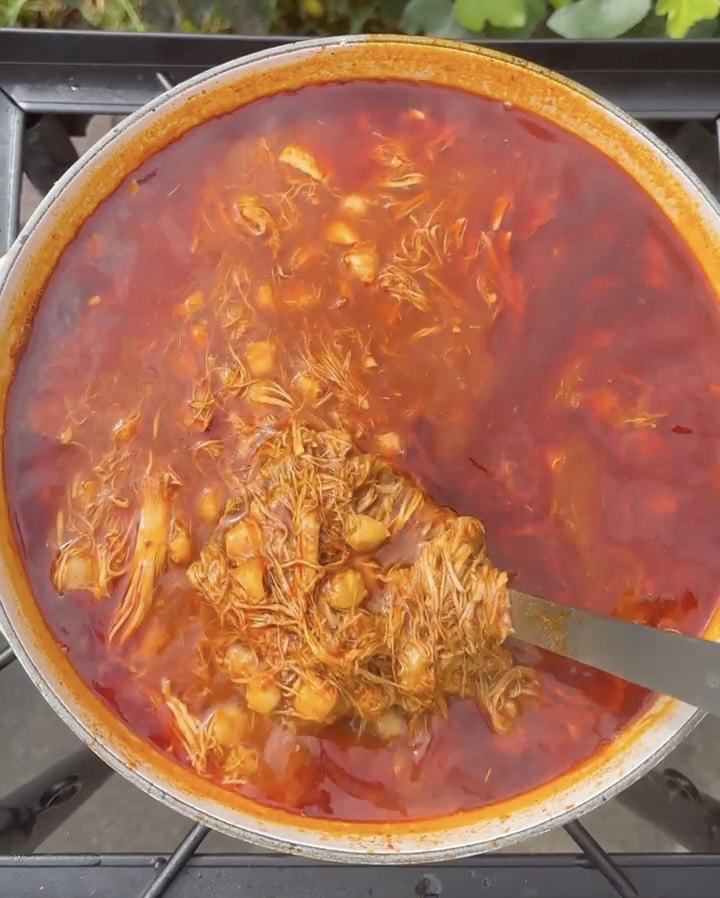
- Pozole Rojo uses guajillo with ancho to build its red chile base.
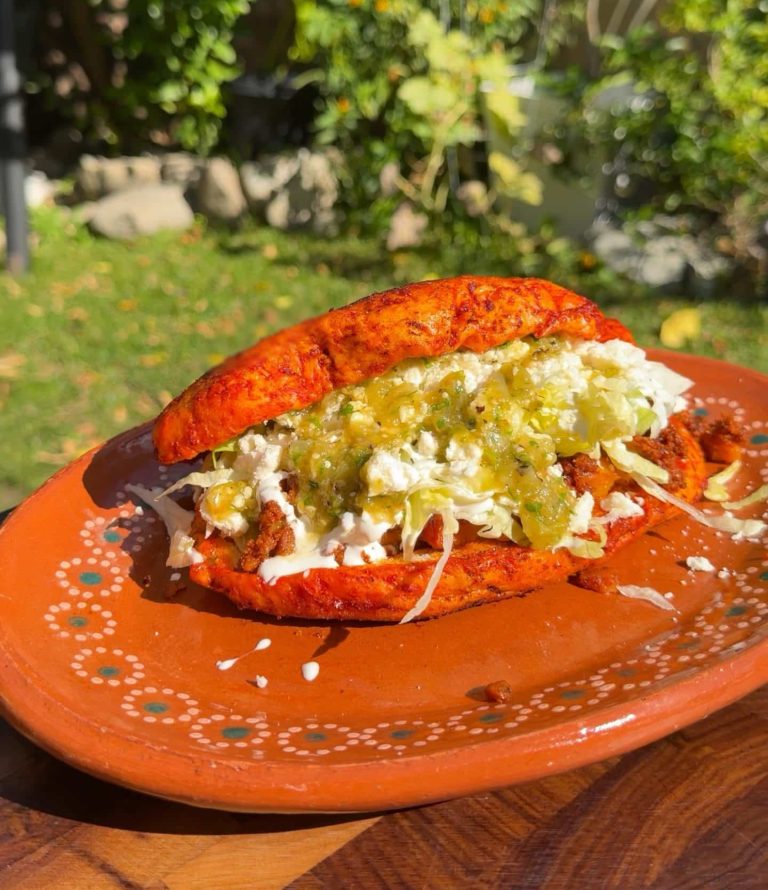
- Pambazos uses a guajillo sauce to coat the bread before frying.
- Fire-Roasted Chile de Árbol Salsa pairs guajillo with hotter árbol chiles and tomatillos.
These offer three different uses for the same pantry ingredient. Use each recipe’s chile quantities and preparation method rather than transferring the instructions from one dish to another.
Where to look for guajillo chiles
Look in the dried-chile aisle of a Mexican grocery, a well-stocked Latin market, or a supermarket’s Mexican ingredients section. Whole pods may hang in clear bags or be sold in bulk. For an online purchase, check that the listing clearly identifies guajillo, states the package weight, and shows the product format. A photograph of several mixed red chiles is not enough to establish what will arrive. No particular brand is required for these recipes.
Frequently asked questions
Are guajillo and ancho the same chile?
No. Guajillo is dried mirasol; ancho is dried poblano. They differ in shape and flavor, even when a recipe uses both in the same sauce.
Do guajillo chiles always need to be toasted?
No. Toasting is recipe-specific. Some preparations soften the cleaned pods directly in liquid. Follow the method for the dish you are making.
Should I keep the soaking water?
Follow the recipe. Some use a particular cooking liquid; others drain the chiles and add fresh liquid or broth. Do not assume every sauce uses the same approach.
Why does my guajillo sauce need straining?
Blended skins can remain noticeable. Straining removes those pieces when the dish calls for a smooth sauce; it is a texture choice guided by the recipe.
Build a useful dried-chile pantry
Guajillo, ancho, and chile de árbol serve different purposes. Guajillo is a useful starting point for a fruity red base; ancho brings darker depth; árbol lets you add a hotter accent. Mexican oregano is another supporting ingredient worth recognizing in recipes that use these chiles. Start with the ingredients required for one dish, then expand as you cook. Keeping several half-used bags without a plan is less helpful than knowing how to use one well.
Cook with Guajillo Chiles



Keep exploring

Dried Chiles
Ancho Chiles
Broad, wrinkled dried poblano chiles valued for mild heat and a deep, sweet dried-fruit character.
Learn about ancho chiles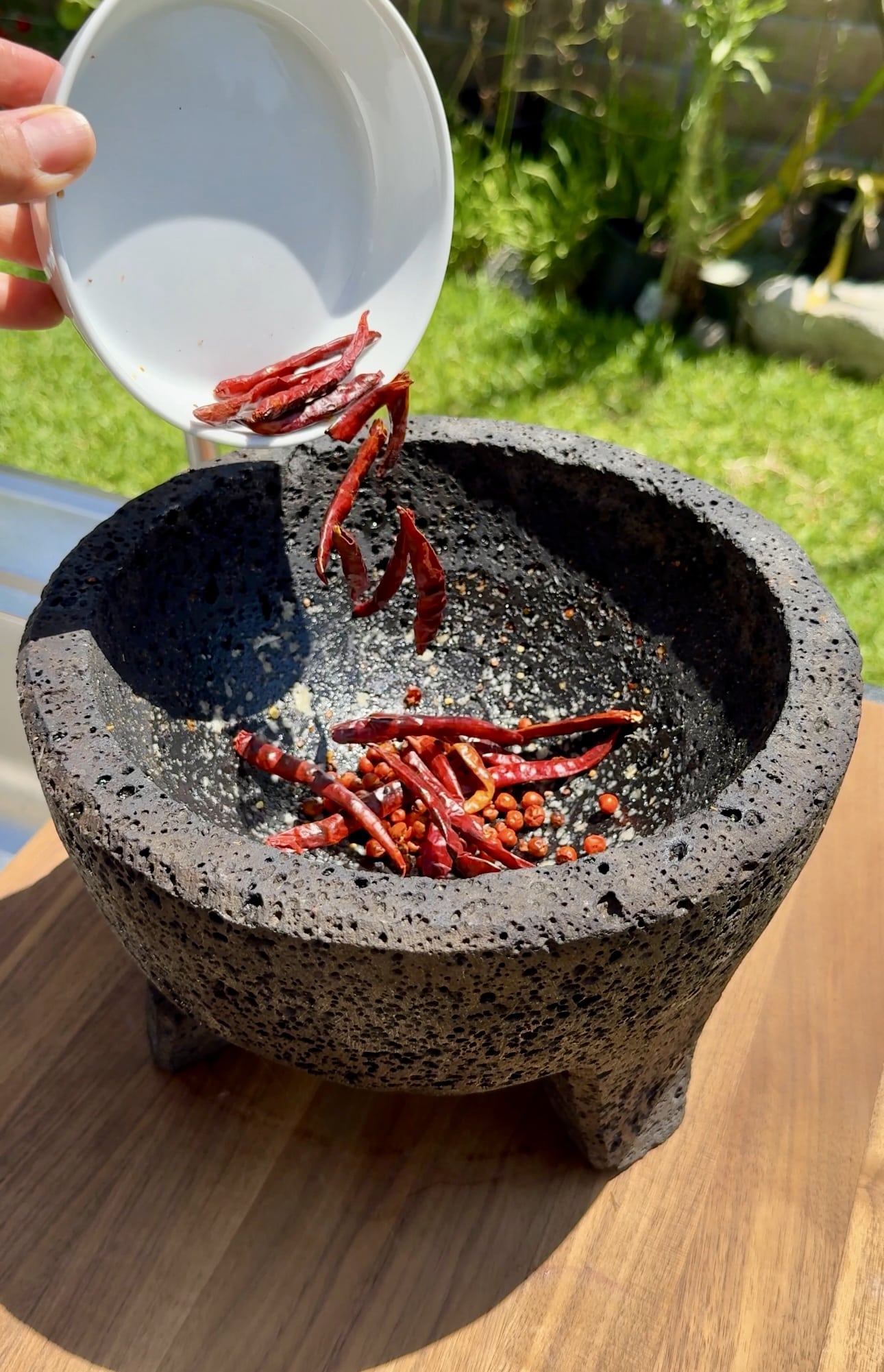
Dried Chiles
Chile de Árbol
Slender red chiles used fresh or dried, with the dried form providing a sharp, hot accent in salsas and other preparations.
Learn about chile de árbolHerbs & Spices
Mexican Oregano
An aromatic herb, commonly Lippia graveolens, used dried in Mexican sauces, soups, marinades, and table garnishes.
Learn about mexican oreganoA little help for your next grocery trip
Get Your Free Mexican Pantry Checklist
A printable shopping companion to help you stock your cocina with ingredients you’ll actually use.
Prefer to print it now? Download the printable checklist
Download the fillable checklist
Fill it in with a PDF app that supports forms, then save a copy.