
Herbs & Spices
Mexican Oregano: Flavor, How to Use It & Where to Buy
An aromatic herb, commonly Lippia graveolens, used dried in Mexican sauces, soups, marinades, and table garnishes.
What is Mexican oregano?
Mexican oregano is a small pantry ingredient with a noticeable effect on the finished dish. The name commonly refers to Lippia graveolens, although more than one plant can be sold under regional oregano names. In everyday shopping, the useful distinction is the label: look for Mexican oregano rather than assuming every jar marked oregano contains the same herb.
It is often sold as dried leaves, leaf pieces, or a ground powder. All can be useful, but they do not give the same texture or necessarily measure the same way. A spoonful of loosely packed leaves is different from a spoonful of fine powder.
What does it taste like?
Mexican oregano brings an earthy, peppery aroma with a bright citrus-like edge. Mediterranean oregano has a related savory character, but the two are not identical. Think about the finished sauce: Mexican oregano can sit comfortably beside roasted tomatillos, garlic, dried red chiles, and a rich broth without disappearing.
That assertive flavor is not chile heat. Adding more oregano will make a dish more herbal, not usefully spicier. If your salsa needs more heat, adjust its chiles according to the recipe. If it needs a fresher finish, taste it with the intended lime or garnish before reaching for another spoonful of dried herb.
Where it belongs in Mexican cooking
This herb can work at more than one stage. Blending it into a chile sauce distributes its flavor throughout the dish. Adding it to a meatball mixture seasons the center of each bite. Crumbling a little over pozole gives the bowl a fresh burst of aroma at the table.
Those uses explain why the same jar appears in both red and green recipes. It is a supporting seasoning, not a requirement that every Mexican dish must share. Follow the particular recipe rather than adding it automatically to every salsa or pot of beans.
Choosing leaves, ground oregano, and package size
Read the ingredient list as well as the product name. Plain Mexican oregano gives you more control than a blend containing salt, garlic, or other herbs. Leaf pieces are convenient for simmering sauces and table garnishes; ground oregano blends in without visible flakes.
If you cook with it occasionally, a small packet or jar is often the most practical purchase. A larger container is useful only if you will move through it while the aroma stays lively. Packaging should close well and protect the herb from moisture. Color alone is a poor buying test; the label, intact package, and a fragrant product after opening are more useful.
How to use it without overpowering the dish
Measure the amount called for before adding it. If using leaves, rub them lightly between clean fingertips or crush them in your palm to break up large pieces. Remove any especially coarse stems you notice. Add the herb at the recipe’s specified stage, then give it time to mix into the sauce or broth before deciding whether it needs more.
When blending a sauce, combine oregano with the other seasonings rather than scattering extra into the pot later without tasting. For a table garnish, offer a small dish separately. Each person can add a pinch, which is easier to control than committing a whole pot to a heavy herbal finish.
Common seasoning mistakes
Do not shake the jar directly over a steaming pot. Measure into a spoon away from the steam, then add it. Moisture makes a dry pantry ingredient harder to store well. Avoid using an old, nearly scentless jar as a guide to the strength of a new one.
Another trap is changing several seasonings at once. If the broth tastes flat, take a small spoonful and assess salt, acidity, chile flavor, and herbs separately. More oregano cannot replace every missing element, and an over-seasoned herbal note is difficult to remove.
If you only have regular oregano
Plain dried Mediterranean oregano is a practical fallback, but expect a different aroma. Start with the recipe’s amount when replacing leaf oregano with leaf oregano, then taste before adding more. For a highly oregano-forward garnish, using a little less initially gives you room to adjust.
A mixed Italian seasoning is less predictable because its other herbs change the flavor too. Fresh cilantro and epazote serve different purposes and are not direct replacements. If using a finely ground product instead of leaves, check the package’s conversion guidance rather than assuming an equal spoonful will taste the same.
Keep the aroma in the jar
Store Mexican oregano tightly closed in a cool, dark, dry cupboard. The space directly above the stove is convenient but exposes herbs to heat and steam. Keep the original label or write the opening date on a replacement container so an older jar does not disappear at the back of the shelf.
Before a big cooking day, crush a small pinch and smell it. A weak aroma is a quality cue to replace it. Do not rely on adding larger and larger amounts of stale herb to recover the same flavor.
Recipes that actually use Mexican oregano
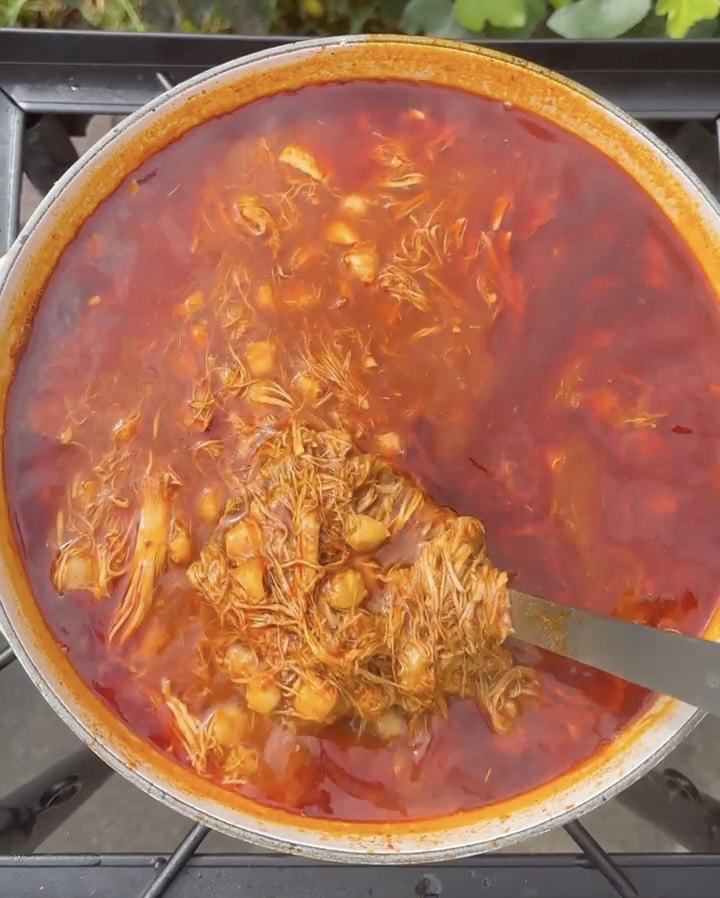
Try it in Pozole Rojo, Red Chicken Pozole, or Chicken Pozole Verde. All three ingredient lists include Mexican oregano.
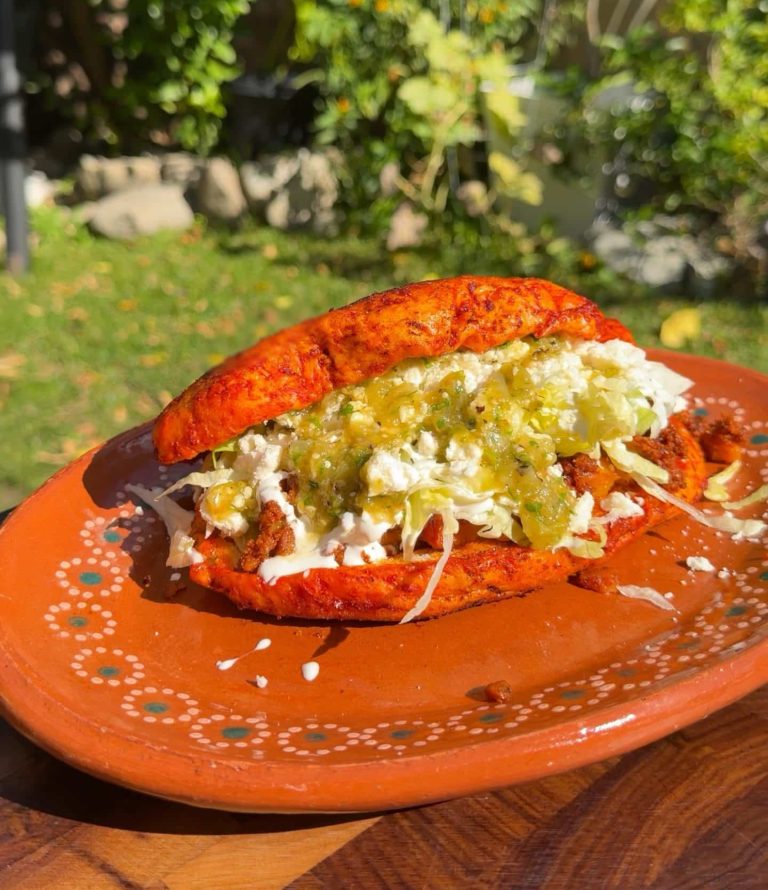
For a different meal, it seasons the sauce in Chile Verde de Puerco and Pambazos. You will also find it in Caldo de Mariscos, Sopa de Albóndigas con Fideo, and Mole de Olla.
A useful place in your pantry
Pair the herb with the ingredients for a meal you already plan to cook. Guajillo and ancho chiles lead toward a red sauce; hominy points toward pozole. Epazote offers another herbal direction, with a very different flavor. There is no need to buy every spice at once.
A measuring spoon and a well-closing storage jar are enough to get started. Browse the Homemade Always shop if you need kitchen tools, and choose pantry quantities around your own cooking habits.
Frequently asked questions
Is Mexican oregano the same as regular oregano?
No. They have overlapping savory flavors but come from different plants in the most common commercial forms. Mexican oregano is particularly associated with earthy, citrus-like notes.
Does Mexican oregano make food spicy?
It contributes a strong herbal aroma rather than chile heat. Increase or decrease the recipe's chiles to change heat.
Should I grind dried oregano first?
Only if the texture of the recipe calls for it. Lightly crumbled leaves are useful in soups and garnishes; a blender will break them down in a sauce.
Can I add it at the table?
Yes, especially with pozole. Offer a small amount separately and crumble a pinch over the bowl so everyone can season to taste.
Cook with Mexican Oregano





Keep exploring

Dried Chiles
Guajillo Chiles
Long red dried chiles that bring fruity flavor, red color, and usually gentle to moderate heat to sauces, adobos, and broths.
Learn about guajillo chiles
Dried Chiles
Ancho Chiles
Broad, wrinkled dried poblano chiles valued for mild heat and a deep, sweet dried-fruit character.
Learn about ancho chiles
Herbs & Spices
Epazote
A strongly aromatic leafy herb used in small culinary amounts in Mexican soups, beans, sauces, and masa dishes.
Learn about epazote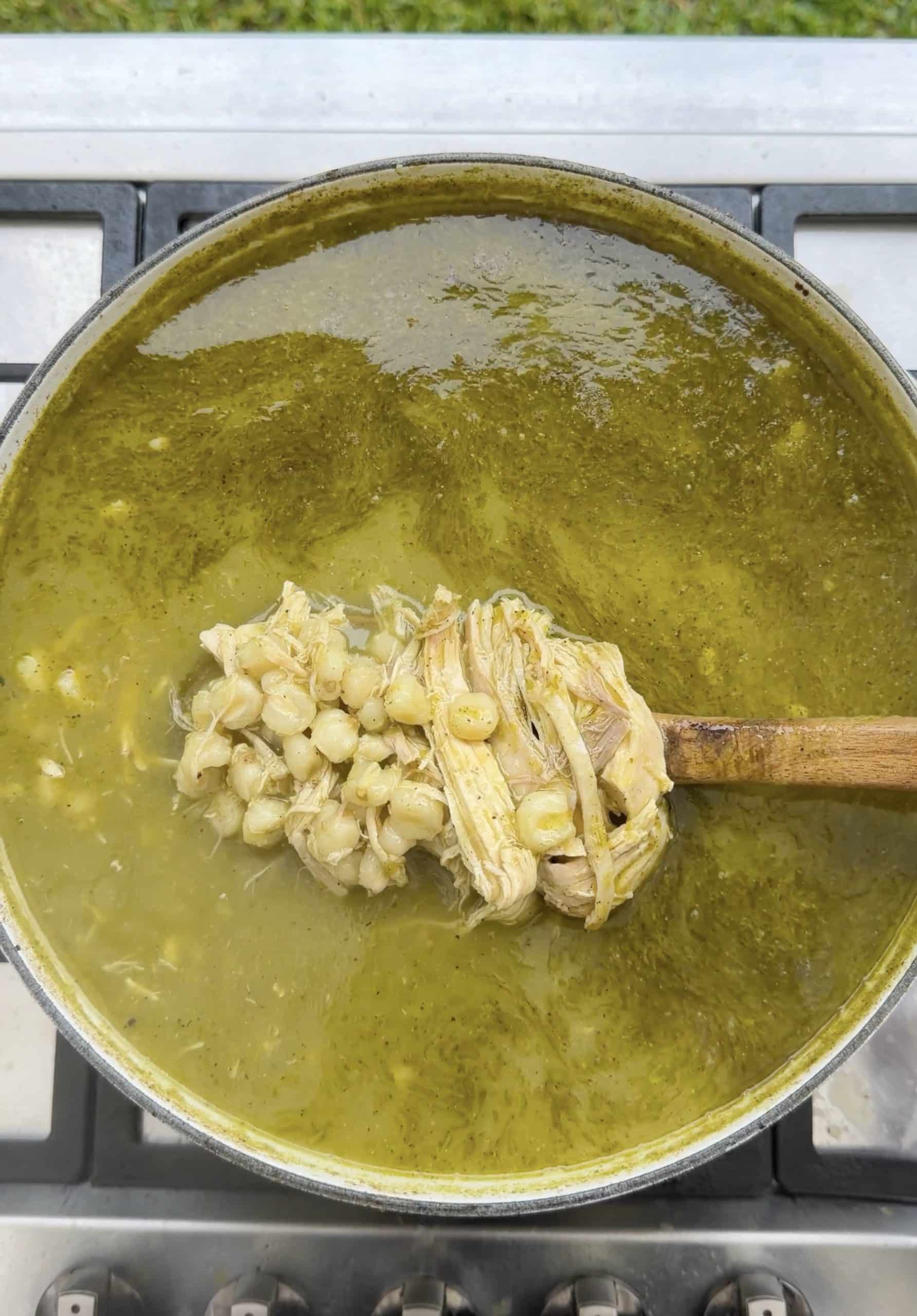
Masa, Corn & Beans
Hominy
Whole corn kernels treated through nixtamalization, sold cooked in cans or dried for longer cooking.
Learn about hominyA little help for your next grocery trip
Get Your Free Mexican Pantry Checklist
A printable shopping companion to help you stock your cocina with ingredients you’ll actually use.
Prefer to print it now? Download the printable checklist
Download the fillable checklist
Fill it in with a PDF app that supports forms, then save a copy.