
Dried Chiles
Ancho Chiles: Flavor, Heat, How to Use Them & Where to Buy
Broad, wrinkled dried poblano chiles valued for mild heat and a deep, sweet dried-fruit character.

What are ancho chiles?
Ancho chiles are dried poblano chiles. Their broad shoulders, wrinkled skin, and dark reddish-brown color help distinguish them from the longer shape of guajillo. Ancho means wide, an appropriate description of the pod. In the pantry, the whole chile is a concentrated seasoning ingredient rather than a fresh vegetable. It is commonly softened and blended into a sauce, often alongside other dried chiles that contribute a different flavor or a stronger level of heat.
The flavor ancho brings to a dish
Ancho is known for a gentle sweetness and a dark, dried-fruit character. Earthy notes give it substance, so it can round out a sauce without needing to be its hottest ingredient. Those descriptions refer to the chile itself; they do not mean a finished mole will taste like dessert. Savory ingredients, broth, spices, and the way a sauce is cooked all shape the result. Taste an ancho-based sauce before deciding it needs extra sweetness or sharper seasoning.
Are ancho chiles spicy?
Ancho is usually considered mild, but mild still allows for some warmth. The heat in chiles is associated with capsaicinoids, produced mainly in the inner tissue that holds the seeds. Seeds can pick up that material; they are not a separate guarantee of heat or its absence. Follow the recipe on removing or reserving them. When you want more intensity, adjust a supporting hot chile rather than replacing all the ancho and losing its contribution to the sauce.
Buying ancho without label confusion
Look for whole pods with a rich dark color and some flexibility. Avoid packages full of pale, badly broken pieces when a better whole-pod option is available. Check the name: ancho and pasilla are distinct chiles, even if a shop’s shelf labeling is confusing. A fresh green poblano is related to ancho, but it does not behave like a dried pod in a sauce. Read the product description instead of relying only on a photograph or a general Mexican chile label.
Cleaning, softening, and blending
Remove the stem and open the chile as needed to handle its seeds and inner material. The recipe may ask you to discard the seeds, or to reserve them for a specific purpose. If toasting is part of the method, work in small batches and watch closely: a dark pod can scorch before the change in color looks dramatic. Soften it as directed, then blend thoroughly with the measured liquid. Strain when the recipe needs a particularly smooth consistency.
Mistakes that flatten ancho's flavor
Do not equate a very dark chile with a burnt one, but do not deliberately blacken it either. Ancho’s natural dark color is part of its identity; scorching during preparation is a different matter. Another mistake is using extra water to solve every blending problem and ending up with a thin sauce. Add only what is needed for the method. Finally, do not assume every mole uses the same chile blend. Follow the intended combination rather than treating ancho as a complete mole seasoning.
Choosing a substitute with a purpose
Guajillo can take a dish toward a brighter, tangier red sauce, while ancho gives it a darker, rounder base. A swap may be workable in an adaptable sauce, but the flavor will change. Pasilla is also its own ingredient, rather than another name for ancho. Chipotle introduces a smoke-dried character and can add more heat. If a recipe identifies a particular blend of several chiles, preserve that balance when possible instead of replacing every pod with whichever bag is open.
Storing whole ancho chiles
A sealed bag or container in a cool, dark, dry cupboard protects dry chiles from repeated exposure to air and kitchen moisture. Keep the package away from stove steam, and close it after taking out what you need. Note the purchase date and follow any manufacturer guidance. A faded aroma is a quality issue; visible mold or infestation is a reason to discard the chiles. Once blended into a wet sauce, store according to the finished recipe, not as a dry spice.
Recipes that actually include ancho
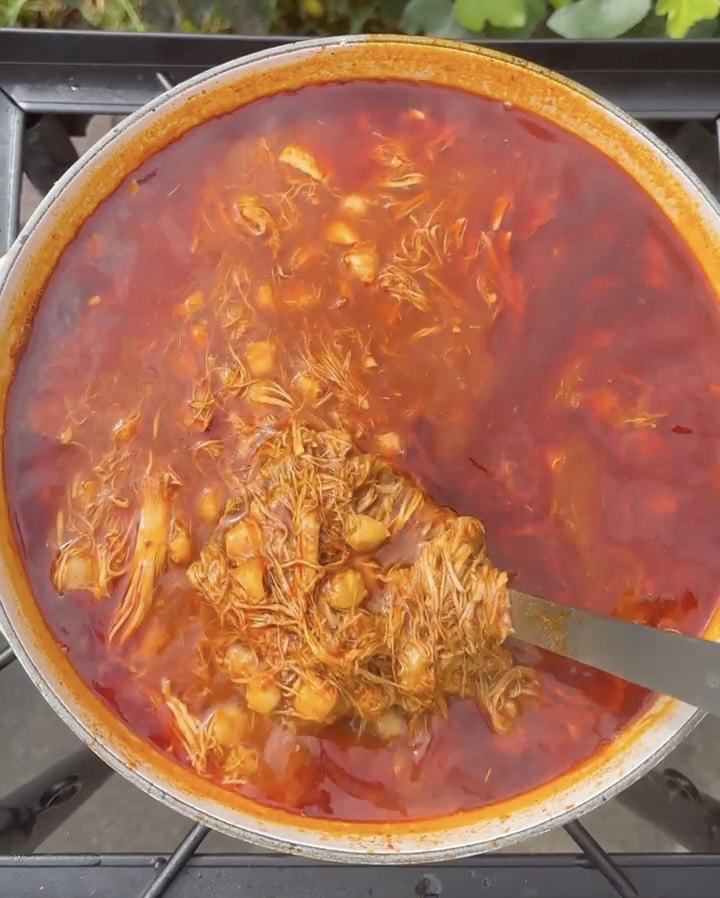
- Pozole Rojo combines ancho with guajillo in its red chile base.
- Mole de Olla uses ancho as part of a mixed-chile beef soup base.
- Mole Poblano includes ancho among several dried chiles.
The ingredient has a clear role in each dish, but the methods are different. Keep the recipe’s instructions for the seeds, softening, and sauce cooking together with its ingredient list.
Where to find ancho chiles
Mexican groceries and Latin markets are good places to look for whole ancho pods; many larger supermarkets carry them with dried Mexican ingredients. Online, check the named variety, net weight, and whether the product is whole chile or powder. Ground ancho can be useful, but a spoonful is not a precise replacement for a whole pod of an unspecified size. For a first recipe, buying the format the recipe requests avoids an unnecessary conversion problem.
Frequently asked questions
Is ancho the same as poblano?
Ancho is the dried form of poblano. A fresh poblano contains much more moisture and has a different texture, so it is not a direct replacement in a dried-chile sauce.
Are ancho and pasilla interchangeable names?
No. They are different dried chiles. Look for a clearly identified ancho product when a recipe specifically calls for it.
Does ancho make a sauce smoky?
It can have a deep, earthy character, but it should not be treated as equivalent to a smoke-dried chile such as chipotle. Toasting and other ingredients also affect the finished flavor.
Should ancho seeds always be discarded?
Follow the recipe. Some remove them, while Homemade Always's Mole Poblano specifically reserves them. A universal discard rule would miss that instruction.
How ancho fits beside other pantry chiles
Ancho and guajillo are useful to compare because both can form the body of a sauce, yet their flavor differs. Chile de árbol is more useful as a hotter accent. Chipotles in adobo bring another format altogether: chiles already packed in a prepared sauce. Mexican oregano may support any of these in a particular recipe. Learn each ingredient’s role before combining them, and let the dish guide your pantry rather than expecting one chile to do every job.
Cook with Ancho Chiles


Keep exploring

Dried Chiles
Guajillo Chiles
Long red dried chiles that bring fruity flavor, red color, and usually gentle to moderate heat to sauces, adobos, and broths.
Learn about guajillo chiles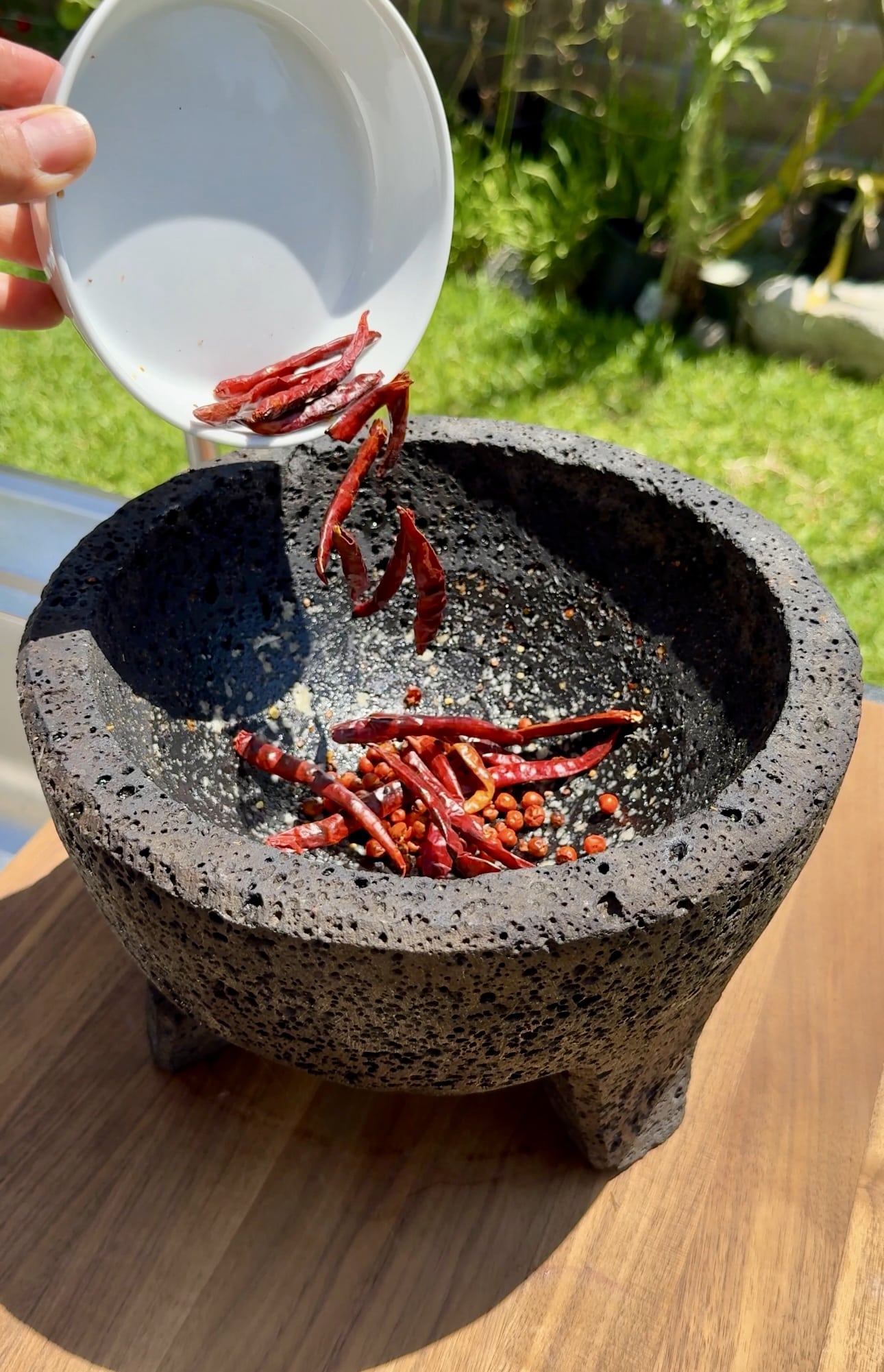
Dried Chiles
Chile de Árbol
Slender red chiles used fresh or dried, with the dried form providing a sharp, hot accent in salsas and other preparations.
Learn about chile de árbolHerbs & Spices
Mexican Oregano
An aromatic herb, commonly Lippia graveolens, used dried in Mexican sauces, soups, marinades, and table garnishes.
Learn about mexican oreganoA little help for your next grocery trip
Get Your Free Mexican Pantry Checklist
A printable shopping companion to help you stock your cocina with ingredients you’ll actually use.
Prefer to print it now? Download the printable checklist
Download the fillable checklist
Fill it in with a PDF app that supports forms, then save a copy.