
Herbs & Spices
Achiote Paste: Flavor, How to Use It & Where to Buy
A red seasoning paste made with achiote, also called annatto, and other ingredients that vary by recipe or manufacturer.
What is achiote paste?
Achiote paste is a prepared seasoning built around achiote, also called annatto, from the seeds of Bixa orellana. The red pigment associated with the seeds gives the paste its distinctive color. Other ingredients turn it into a seasoning mixture rather than simply ground annatto. The names achiote paste and recado rojo often appear together, especially in a Yucatecan cooking context, although individual recipes and packaged formulations differ.
Recado rojo is associated with pibil-style preparations, but achiote paste also appears in other dishes and marinades. Its presence alone does not identify a cooking technique or make every dish the same regional preparation. Check both the product and the recipe instead of expecting one universal formula.
What does achiote paste taste like?
Annatto gives an earthy foundation, while the paste’s other ingredients may bring garlic, aromatic spices, salt, and acidity. That means the flavor depends partly on the particular paste. A finished marinade may taste more citrusy or otherwise different because the cook adds additional ingredients. In Homemade Always’s Pollo Asado, the paste is one component of a larger mixture. Do not credit every flavor in that finished chicken to achiote alone, or expect plain annatto powder to taste identical.
Does the red color mean it is hot?
No. A vivid red-orange appearance does not establish how much chile heat a seasoning contains. Achiote is not another name for a hot red chile. Read the ingredient list, particularly if the product is sold as a broader marinade or seasoned blend. If a recipe adds chile or another hot ingredient separately, that addition also matters. Judge heat from the formulation and the recipe rather than the color of the paste, the marinade, or the cooked meat.
What to check before buying
First confirm the format: paste, ground annatto, whole seeds, and liquid seasoning are different products. Then read the ingredient list and any allergen information relevant to your household. A prepared paste may contain flour, salt, acid, preservatives, or a particular blend of spices; the exact combination varies. Check the package size against the recipe’s measured amount, and read the opening and storage instructions before you put it away. There is no need to select a brand based only on the brightest package photograph.
Working the paste into a marinade
Measure the paste as the recipe directs, then break it up or blend it with the specified liquids and seasonings. Leaving firm lumps can create uneven seasoning. A blender is useful when the recipe also contains garlic and other ingredients that need to become smooth. Work over a washable surface and handle the strongly colored mixture with care. Once the marinade touches raw meat, follow the recipe’s refrigerated handling and cooking instructions. Do not return that used mixture to the original package.
Common mistakes with achiote
The first mistake is treating paste as pure color and ignoring its salt, acid, and spices. Additional seasoning needs to work with what is already there. Another is buying annatto powder for a recipe that asks for paste and substituting the same spoonful without accounting for everything missing. Do not assume every red marinade is a traditional pibil preparation either. Achiote can connect several dishes, while their ingredients, techniques, and regional identities remain distinct. Describe the actual dish rather than relying on its color.
Can annatto powder or paprika replace it?
Plain annatto seeds or powder can be part of making a recado, but they are not a finished paste with matching proportions of seasoning and liquid. If you want to make the paste, use a complete recipe designed for that purpose. Paprika may add red color and its own flavor, yet it does not reproduce achiote paste. For a recipe whose identity depends on achiote, finding the intended paste is often a better choice than making an unexplained one-for-one substitution.
Storage depends on the actual product
Use the storage instructions on the package you have, including any directions after opening. Different formulations and formats are not a sound basis for one universal pantry or refrigerator rule. Keep the product properly closed, use a clean utensil to remove a portion, and keep the remaining paste separate from raw ingredients. Note the opening date if helpful. A finished marinade containing added juice or other ingredients has its own handling needs; it should not inherit the unopened paste’s storage assumptions.
Try it in Homemade Always's Pollo Asado
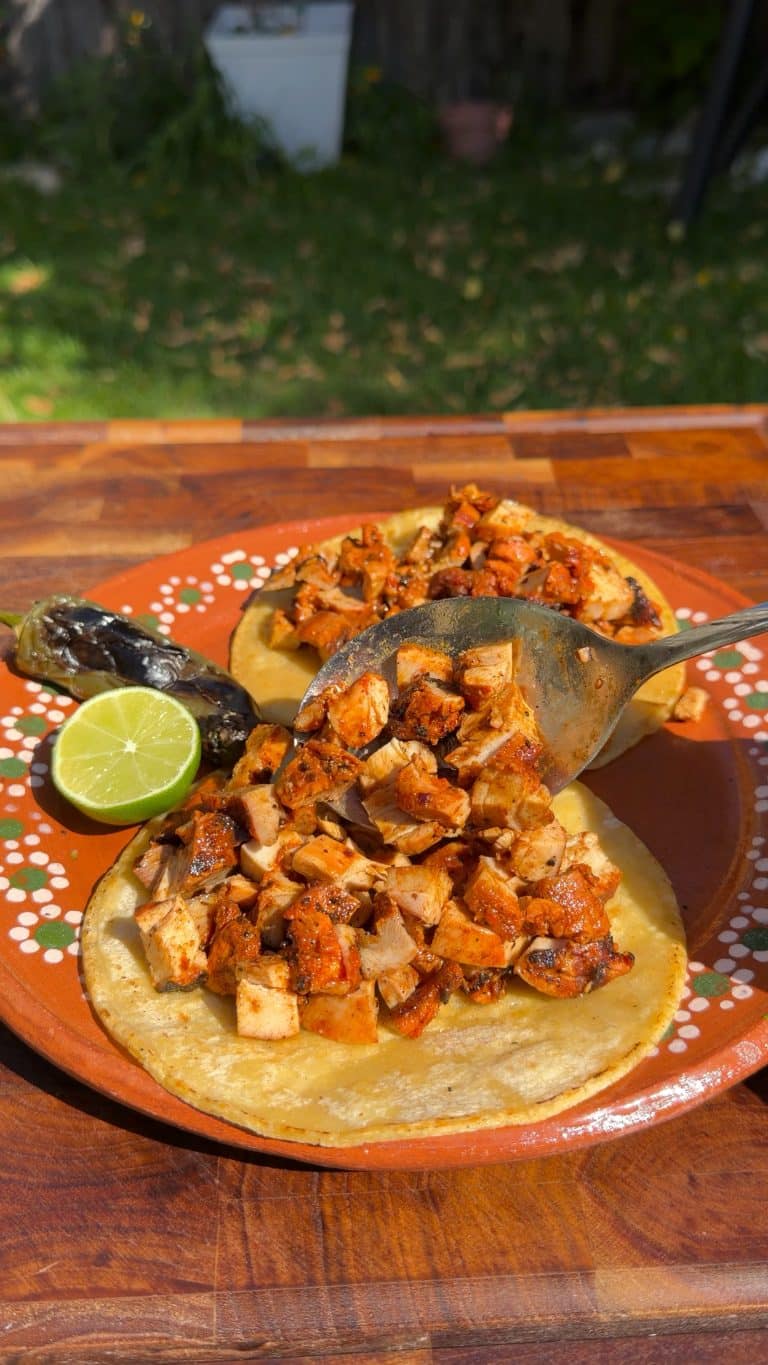
Pollo Asado for Tacos uses achiote paste in a blended citrus-and-spice marinade. Follow that recipe for the full ingredient quantities, refrigerated marinating time, and cooking method.
It is a useful example of the paste as one part of a complete seasoning plan. Buying achiote does not mean you should omit the recipe’s other ingredients or double them indiscriminately. Start by making the recipe as written, then note which adjustment you would want next time.
Where to find achiote paste
Look with Mexican seasonings in a Mexican grocery or Latin market. Some supermarkets carry it near packaged marinades or dried chiles, while online stores may group it with annatto products. Read the title and label carefully so that a listing for whole seeds does not become an accidental substitute for paste. For online purchases, check the product format, net weight, and readable ingredient information. This guide does not require a particular brand or make a claim about current stock.
Frequently asked questions
Are achiote and annatto the same thing?
Achiote and annatto are names associated with the same seed ingredient. Achiote paste, however, usually includes additional seasonings and liquid, so it is not equivalent to plain annatto seeds or powder.
Is achiote paste always spicy?
Do not assume either way. The red color comes from annatto, while the complete ingredient list tells you whether a particular blend includes hot ingredients.
Does achiote paste always need refrigeration?
Follow your specific package, including its after-opening instructions. Different pastes and liquid seasonings have different formulations; one product's directions do not establish a rule for all.
Can I make the Pollo Asado marinade using only the paste?
That would be a different preparation. The Homemade Always recipe uses measured achiote paste alongside citrus and other seasonings; follow the complete recipe for its intended result.
Understand the neighboring ingredients
Mexican oregano is one seasoning you may see alongside achiote, but it is a separate ingredient to measure according to the recipe. Guajillo chiles form another kind of red sauce base, with a dried-chile flavor rather than the same annatto seasoning profile. Chipotles in adobo supply smoke-dried chiles in a prepared sauce. Recognizing these differences helps you shop accurately and prevents a red color from becoming the only reason for substituting one pantry product for another.
Cook with Achiote Paste
Keep exploring
Herbs & Spices
Mexican Oregano
An aromatic herb, commonly Lippia graveolens, used dried in Mexican sauces, soups, marinades, and table garnishes.
Learn about mexican oregano
Dried Chiles
Guajillo Chiles
Long red dried chiles that bring fruity flavor, red color, and usually gentle to moderate heat to sauces, adobos, and broths.
Learn about guajillo chilesA little help for your next grocery trip
Get Your Free Mexican Pantry Checklist
A printable shopping companion to help you stock your cocina with ingredients you’ll actually use.
Prefer to print it now? Download the printable checklist
Download the fillable checklist
Fill it in with a PDF app that supports forms, then save a copy.