
Herbs & Spices
Epazote: Flavor, How to Use It & Where to Buy
A strongly aromatic leafy herb used in small culinary amounts in Mexican soups, beans, sauces, and masa dishes.

What is epazote?
Epazote is a leafy herb with an aroma you are unlikely to confuse with parsley or cilantro once you have smelled it. Its current botanical name is Dysphania ambrosioides; older references may use Chenopodium ambrosioides. For the home kitchen, the important point is to buy epazote intended for cooking and use the modest amount specified in the recipe.
Fresh epazote is usually sold in sprigs or small bunches. Dried leaves are another option. It is a seasoning, so a dish does not need a large pile of it to take on its character. A few recipe-measured sprigs can have a clear presence in a pot of broth.
Understanding its distinctive flavor
Epazote has a forceful herbal fragrance that people describe in different ways: resinous, mint-like, anise-like, or almost medicinal. Those descriptions explain its intensity, not a reason to use it as medicine. In a finished soup, a restrained amount can add a recognizable aromatic layer without making every spoonful taste only of the herb.
It is not a chile and does not supply chile heat. If the first taste seems unusually sharp, adding more is unlikely to help. Let it infuse according to the recipe, then taste the broth before deciding whether the flavor needs any adjustment.
Where epazote fits
Epazote appears in many Mexican preparations, including beans, soups, sauces, and masa-based foods. Its role changes with the dish. A whole sprig can perfume a broth and then be removed; leaves can also be incorporated into a preparation when the recipe calls for that.
Here, two useful starting points are Chicken Pozole Verde and Mole de Olla. They let you experience epazote alongside different ingredients: the green sauce of a chicken pozole and the red chile broth, beef, and vegetables of mole de olla. Neither requires you to turn epazote into the dominant flavor.
Buying fresh or dried epazote
Look for fresh epazote at a Mexican market or a produce seller who stocks culinary herbs. Choose leaves that look sound rather than slimy or badly deteriorated, and avoid a bunch that is sitting in excess moisture. Buy what you can use soon instead of treating a large bunch as a storage challenge.
For dried epazote, look for a sealed package clearly labeled as culinary leaves. Do not substitute an essential oil, extract, or medicinal preparation. If you are new to the herb, a small package is enough to learn whether you like its flavor. You do not need to buy a specialty product simply because a recipe marks the herb optional.
Preparing and adding fresh sprigs
Rinse fresh epazote under running water, check between the leaves, and remove any damaged material. Let excess water drain. Keep sprigs together if they will be removed after infusing; chopping them finely makes that step difficult. Measure by the recipe’s guidance rather than replacing two sprigs with a packed handful.
In Chicken Pozole Verde, the listed fresh epazote is optional. The instructions add the sprigs to the simmering green sauce and remove them after they have infused it. Mole de Olla also uses fresh sprigs. Follow the recipe’s timing so you can judge the flavor in the context of the finished broth instead of tasting an isolated leaf and guessing how much the pot needs.
Avoiding an overpowering result
The most common problem is treating epazote like a mild garnish. It has a much stronger personality than many everyday herbs, and adding a large handful can change the whole dish. Start with the written quantity. If the recipe calls for removal, take out the sprigs before serving.
Fresh and dried epazote also vary in intensity and condition. A universal sprig-to-teaspoon conversion is not reliable enough to promise identical results. Follow the dried product’s directions when available, begin conservatively, and remember that the two forms may not give exactly the same aroma.
What to do when you cannot find it
There is no precise substitute for epazote. In a recipe that explicitly makes it optional, leaving it out preserves the balance better than adding a large amount of another strong herb. Chicken Pozole Verde still has its other sauce ingredients and seasonings when the optional epazote is omitted.
Cilantro can add a fresh herbal note where appropriate, while Mexican oregano adds a different dried-herb character. Neither recreates epazote, so treat either as a deliberate variation and avoid doubling an herb already present in the recipe. You can also make the dish once without epazote and try it with the herb when you find a fresh bunch.
Keeping fresh and dried epazote
For fresh stems, a practical method is to wrap them loosely in a damp paper towel and refrigerate them in an unsealed plastic bag. Damp should not mean dripping wet. Check the leaves before use and remove deteriorated sprigs rather than hiding them inside the bunch.
Store dried leaves in a tightly closed container away from heat, light, and steam. Keep the package label so the herb is easy to identify. Purchase smaller amounts if you use it only for an occasional soup; a forgotten oversized bag is not a useful pantry saving.
Start with these Homemade Always recipes
Chicken Pozole Verde lists two fresh epazote sprigs as optional. It is a helpful introduction because the recipe specifies both the infusion step and removal.
Mole de Olla lists two to three fresh sprigs. The herb joins a substantial soup of beef and vegetables with a red chile base. These are verified ingredient matches, so you can follow an existing recipe rather than guessing where to add epazote to a dish that never called for it.
Make the purchase useful
Plan one of those soups before shopping and check the rest of its ingredients at the same time. Hominy belongs with the pozole; masa harina gives you the option of chochoyotes in mole de olla. Mexican oregano is worth understanding separately because the recipes can use both herbs for different jobs.
A colander, measuring tools, and an appropriate soup pot are useful basics. Find kitchen-tool ideas in the Homemade Always shop, using the recipe’s batch size to guide your choice.
Frequently asked questions
Is epazote the same as cilantro?
No. They have different flavors and are not direct replacements. Epazote is particularly pungent and is generally used in much smaller culinary amounts.
Can I leave epazote out of green pozole?
The Homemade Always Chicken Pozole Verde ingredient list marks it optional. You can omit it while keeping the recipe's other ingredients and steps.
Can I use epazote oil instead of leaves?
No. Essential oil and concentrated preparations are not substitutes for culinary leaves. Use the food ingredient and the amount specified by the recipe.
Do I chop the stems?
Follow the recipe. When sprigs are infused and then removed, leave them whole enough to retrieve easily rather than chopping them into the soup.
Cook with Epazote


Keep exploring
Herbs & Spices
Mexican Oregano
An aromatic herb, commonly Lippia graveolens, used dried in Mexican sauces, soups, marinades, and table garnishes.
Learn about mexican oregano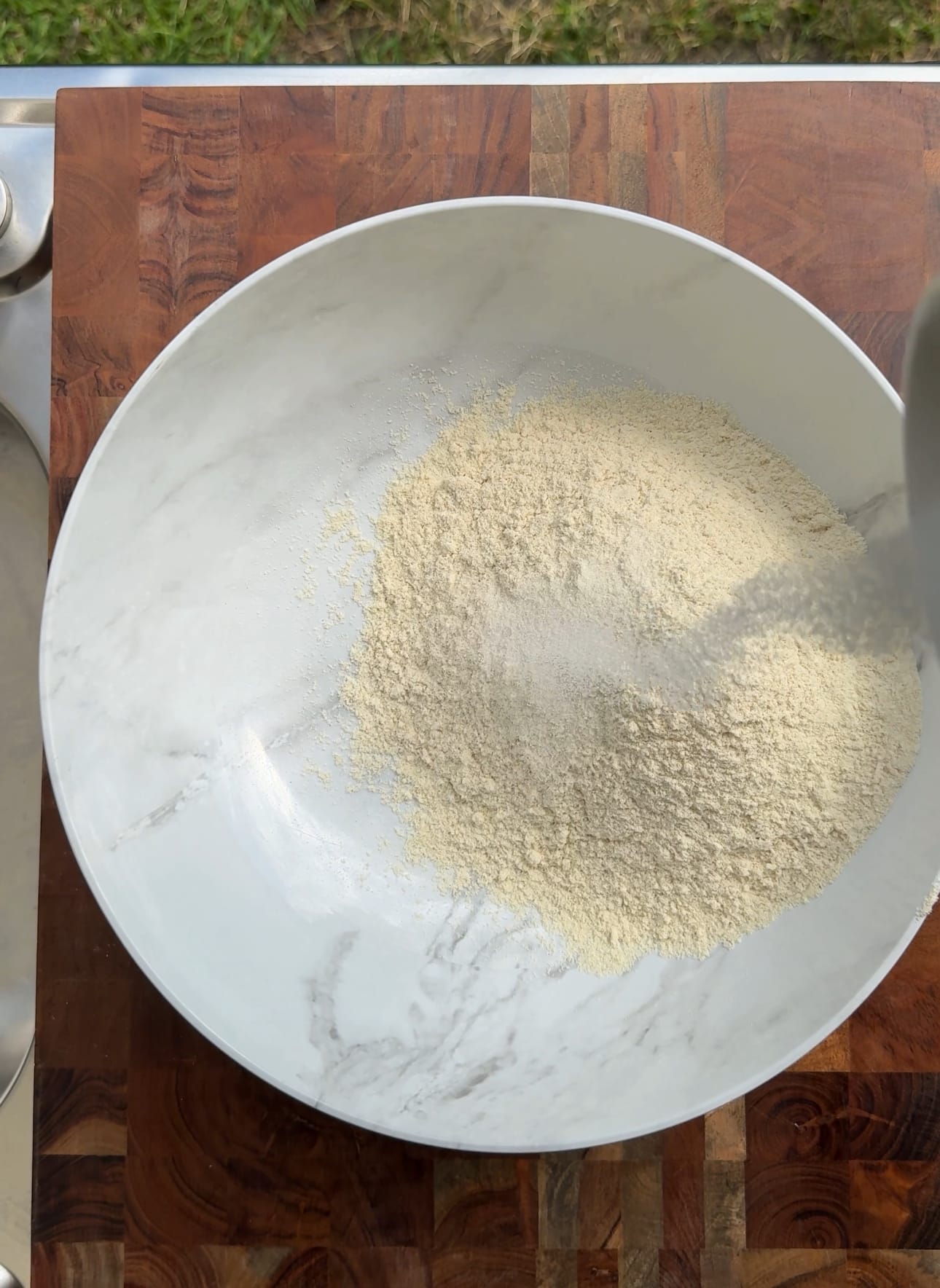
Masa, Corn & Beans
Masa Harina
Dried nixtamalized corn flour that forms masa dough when mixed with water.
Learn about masa harina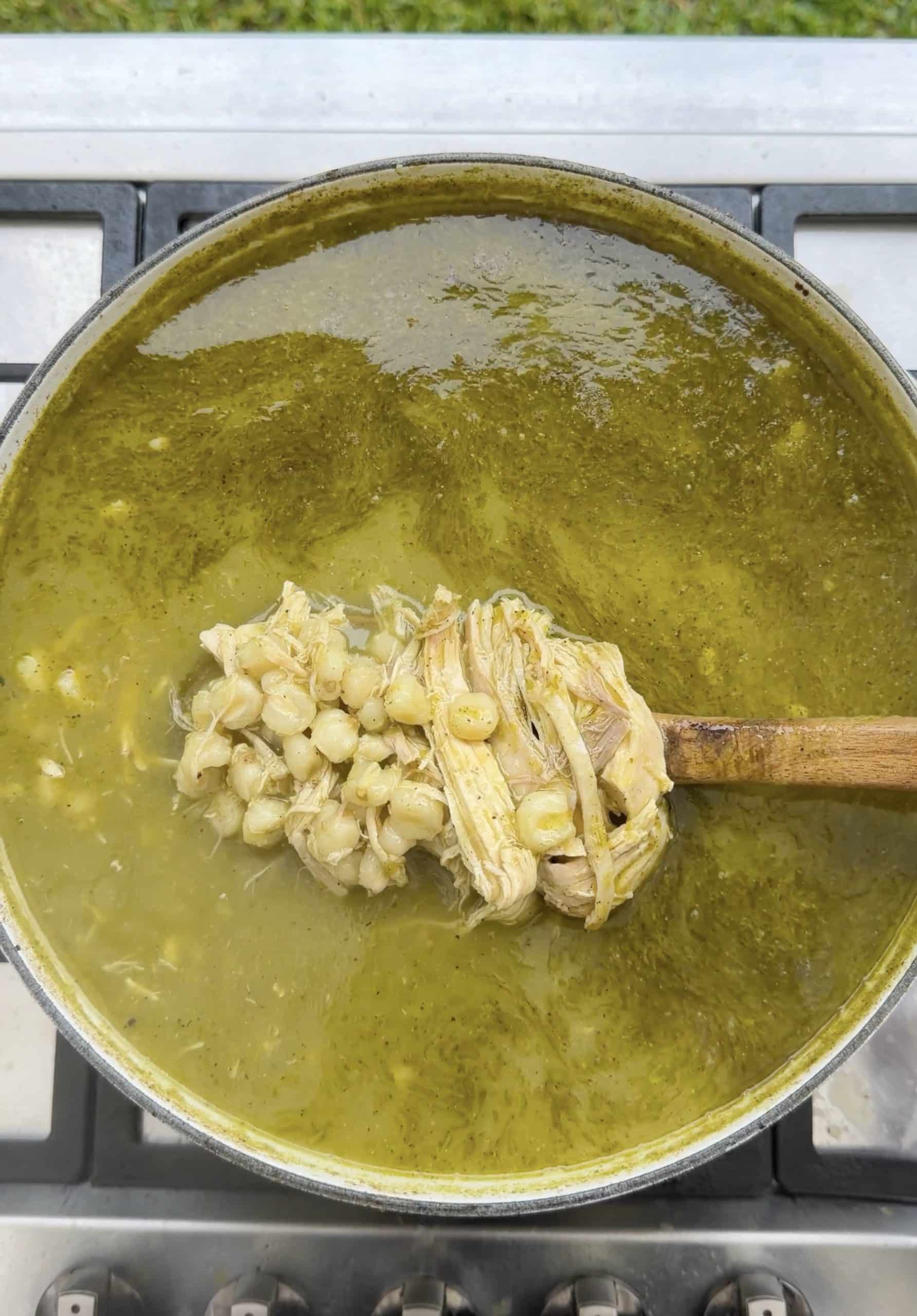
Masa, Corn & Beans
Hominy
Whole corn kernels treated through nixtamalization, sold cooked in cans or dried for longer cooking.
Learn about hominyA little help for your next grocery trip
Get Your Free Mexican Pantry Checklist
A printable shopping companion to help you stock your cocina with ingredients you’ll actually use.
Prefer to print it now? Download the printable checklist
Download the fillable checklist
Fill it in with a PDF app that supports forms, then save a copy.