
Masa, Corn & Beans
Hominy: Flavor, How to Use It & Where to Buy
Whole corn kernels treated through nixtamalization, sold cooked in cans or dried for longer cooking.
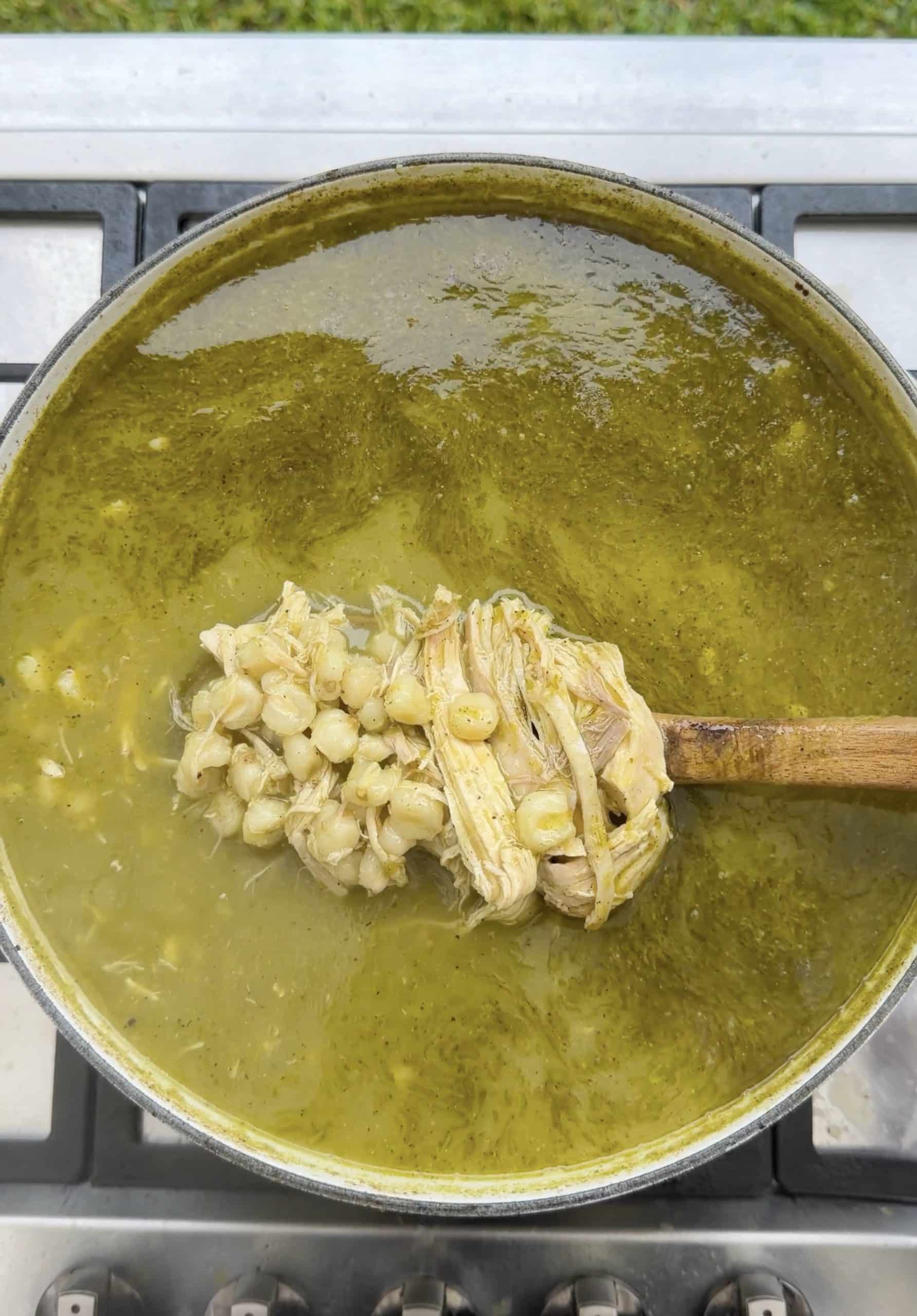
What is hominy?
Hominy is corn that has been transformed before it reaches your soup pot. The kernels undergo nixtamalization, an alkaline treatment that changes their texture and flavor. Prepared hominy is sold in several forms, including dried kernels and canned kernels that have already been cooked. That distinction matters more to your cooking schedule than the name on the front of the package.
In pozole, hominy is part of the identity of the dish. Its substantial kernels give each spoonful something to chew alongside the meat and broth. If you are starting with a Homemade Always pozole recipe, canned hominy is the most direct match for the ingredient list and instructions.
Flavor, texture, and heat
Expect a mellow corn flavor and a texture that is tender but still distinct. Properly cooked kernels should not have a hard, chalky center. They can look rounded, split, or flowered depending on the corn and preparation. Taste a kernel rather than judging doneness by appearance alone.
Plain hominy is not spicy. It takes on the character of what surrounds it: red chile broth, green sauce, garlic, onion, or a spoonful of salsa at the table. Its role is different from sweet corn, which contributes smaller kernels and a more obviously sweet flavor.
How to choose the right package
Begin by finding the words hominy or maíz pozolero, then check whether the product is canned, refrigerated, frozen, or dried. Do not assume every package labeled corn is ready for pozole. Dried untreated corn and dried prepared hominy require different preparation.
Check quantity carefully. A large can listed in a family-size recipe is not interchangeable with one small grocery-store can. Net weight includes packing liquid; when a recipe specifies a drained quantity, measure after draining. Buy a size you can use comfortably, and compare unit prices only between equivalent products. Leave leaking, bulging, heavily rusted, or deeply dented cans on the shelf.
Preparing canned and dried hominy
For canned hominy, set a colander in the sink, drain the kernels, and rinse as your recipe directs. Let excess water drain while you prepare the broth. There is no need to start the entire dried-corn preparation process again. In our pork pozole, the canned hominy joins the pot after the pork becomes tender and then simmers with the finished sauce.
For dried prepared hominy, follow the package’s soaking and cooking instructions. Cook it until the center is tender before adapting a recipe that expects canned kernels. Keep the cooking liquid separate until you decide whether it belongs in the dish. Water needs and cooking times vary, so a dry-to-canned substitution is a planning change as well as an ingredient change.
Common mistakes to avoid
Adding canned hominy at the beginning of a very long meat simmer can leave it softer than you intended. Keep the stages separate when the recipe does. Another easy mistake is filling the pot almost to the rim: hominy, meat, and broth need room for stirring and a gentle simmer.
Do not chase a thicker soup by repeatedly boiling away the liquid. Decide how brothy you want the finished pozole, add hot water as needed, and taste again before adding more salt. Canned products and bouillon can contribute different amounts of seasoning.
What can replace hominy?
For the closest result, use another form of hominy. Cooked dried kernels can stand in for canned ones once you match the amount the recipe actually needs. White and yellow hominy may give a slightly different appearance and corn character, but both keep the dish centered on hominy.
Sweet corn, beans, or potatoes can make a satisfying soup when that is what you have. They do not reproduce hominy’s texture, and the result should be treated as a variation rather than a direct pozole substitute. Masa harina is also not a whole-kernel replacement; it will thicken liquid instead.
Storage and leftovers
Keep unopened shelf-stable cans in a cool, dry cupboard and rotate older purchases forward. Store dried hominy in a tightly closed container with the original preparation instructions. Once a can is open, refrigerate the unused portion promptly in a covered food-safe container and use it within three to four days.
For finished pozole, divide a large batch into smaller containers for cooling and follow the recipe’s storage guidance. Pack fresh cabbage, radishes, and lime separately so the toppings keep their texture.
Cook with Homemade Always
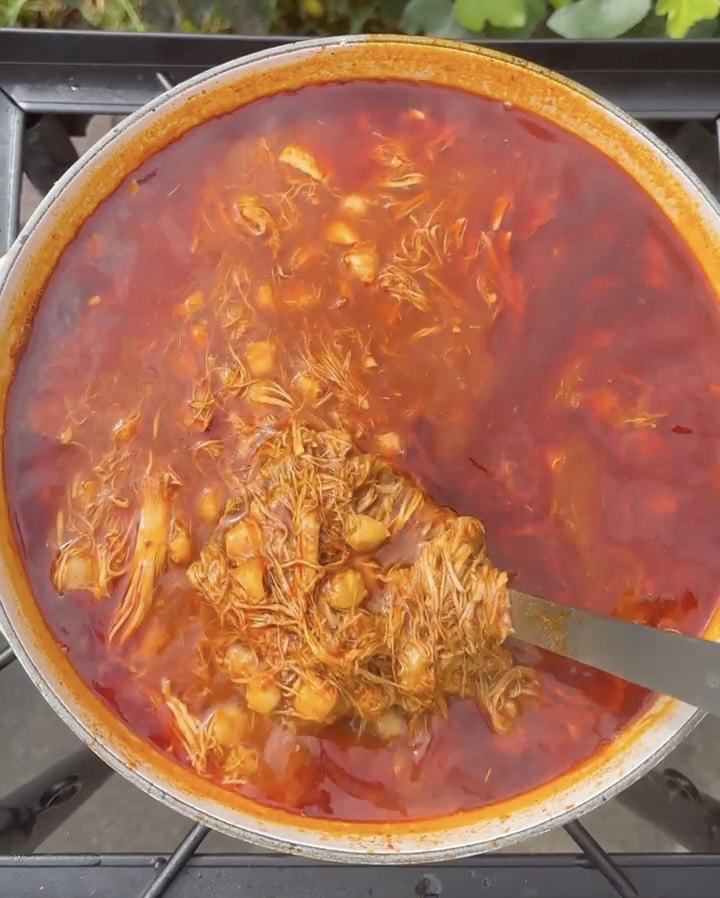
Pozole Rojo pairs hominy with pork and a red chile sauce. The recipe also includes an optional small amount of hominy in the blended sauce for extra body.
Red Chicken Pozole gives you another red-broth direction with chicken. For a different flavor profile, Chicken Pozole Verde combines white hominy with a green sauce. Follow each recipe’s quantities and cooking sequence rather than mixing the schedules from different versions.
Build a practical pozole pantry
Choose a recipe before buying a large can, then check your stock of dried chiles, Mexican oregano, and broth ingredients. A roomy pot, colander, and ladle are useful; compare suitable equipment in the Homemade Always shop. Confirm working capacity against your full batch.
Explore masa harina to understand another form of nixtamalized corn, and Mexican oregano for the herbal finish that makes a bowl of pozole feel complete.
Frequently asked questions
Is hominy the same as regular canned corn?
No. Hominy has undergone nixtamalization and has a different flavor and texture. Regular canned sweet corn does not behave like it in pozole.
Do I need to soak canned hominy?
No. Canned hominy is already prepared. Drain and rinse it when the recipe calls for that, then add it at the specified stage.
Can I use dried hominy in these pozole recipes?
Yes, after cooking it separately until tender. Match the needed cooked quantity and allow extra preparation time instead of adding dry kernels directly to the canned-hominy schedule.
Why is my hominy still hard?
Dried kernels may need more cooking. Check the package instructions and taste the center. Do not rely only on whether the outside has split open.
Cook with Hominy


Keep exploring
Masa, Corn & Beans
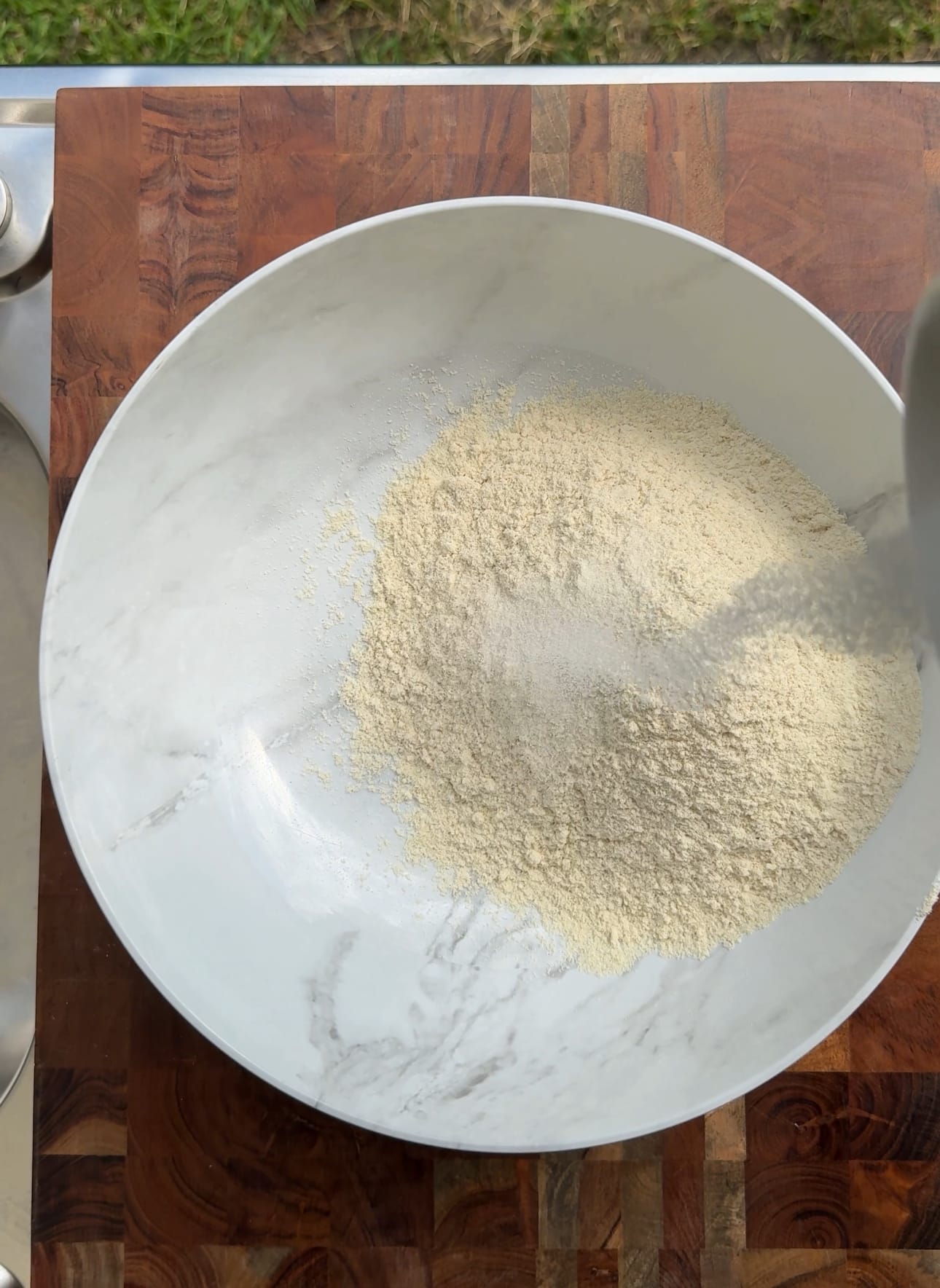
Masa Harina
Dried nixtamalized corn flour that forms masa dough when mixed with water.
Learn about masa harinaHerbs & Spices
Mexican Oregano
An aromatic herb, commonly Lippia graveolens, used dried in Mexican sauces, soups, marinades, and table garnishes.
Learn about mexican oregano
Dried Chiles
Guajillo Chiles
Long red dried chiles that bring fruity flavor, red color, and usually gentle to moderate heat to sauces, adobos, and broths.
Learn about guajillo chiles
Dried Chiles
Ancho Chiles
Broad, wrinkled dried poblano chiles valued for mild heat and a deep, sweet dried-fruit character.
Learn about ancho chilesA little help for your next grocery trip
Get Your Free Mexican Pantry Checklist
A printable shopping companion to help you stock your cocina with ingredients you’ll actually use.
Prefer to print it now? Download the printable checklist
Download the fillable checklist
Fill it in with a PDF app that supports forms, then save a copy.